
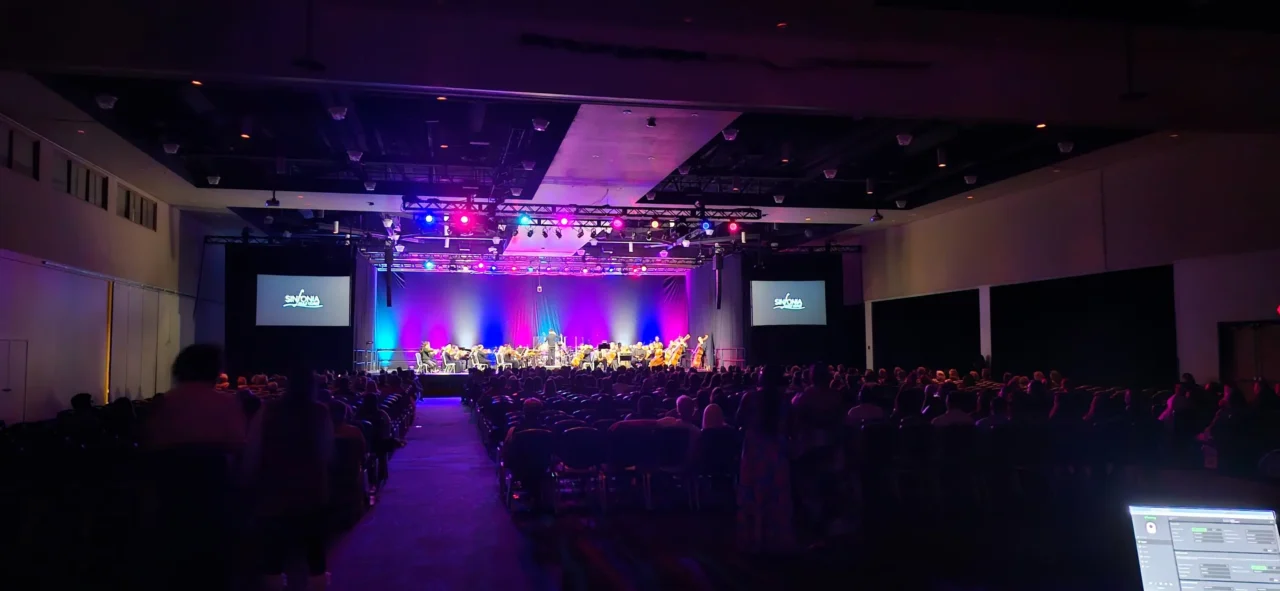
Why Stage Lighting Design Matters
Stage lighting design does much more than make a stage look good. The right mix of fixtures makes sure performers are clearly visible, guides audience focus, and supports the atmosphere you want, whether that is a high-energy concert, a worship service, or a theatrical production. Color, intensity, and movement help set the mood and smooth out transitions so songs, scenes, and messages feel connected instead of disjointed. Modern LED stage lights have also made it easier to get creative while staying energy efficient and flexible, which is especially important for churches and venues that host different types of events in the same space. In the rest of this guide, we will walk through the main types of stage lights so you can start planning a system that fits your room and works with a professional stage lighting design approach.

Spot Fixtures and Their Uses
Spot fixtures are designed to highlight specific people or moments on stage. They create controlled, focused beams that draw attention exactly where it needs to go. Because of their precision, they are among the most essential lighting types for churches, concerts, and theater environments.
Profile Spotlights
Profile spotlights create a crisp, well-defined beam that’s easy to shape and control. They allow lighting designers to focus tightly on a speaker or performer without spilling light into other areas, which keeps the audience’s attention exactly where it belongs. These fixtures are ideal for sermons, keynote speakers, and lead performers who need consistent, clear visibility. You’ll see profile spotlights most often placed front-of-house or mounted in elevated positions, where they can provide clean, even coverage across the stage.
Followspots
Followspots work similarly but are manually operated, allowing the beam to move with a performer in real time. They’re especially important for concerts, dramatic productions, and worship settings where a pastor or musician moves frequently across the platform. Because they track motion, followspots ensure the audience never loses sight of the main subject, keeping the performance visually connected and reinforcing the stage’s focal point.
Wash Lights: Soft, Even Coverage
Wash lights are the backbone of most stage lighting setups because they provide broad, even illumination across large areas. Instead of creating a tight, focused beam, wash fixtures spread light smoothly to fill the stage with consistent color and visibility. This makes them essential for concerts, church services, theatrical productions, and any environment where you need a clean, balanced lighting foundation before adding effects or accents.
PAR Cans
PAR cans are one of the most classic types of stage lamps, known for producing a wide, powerful wash of light. They’re frequently used for color washes, backdrop lighting, or general stage illumination. While traditional PARs relied on halogen bulbs, modern LED PAR cans offer the same coverage with far less heat and energy usage, making them a practical upgrade for churches and multi-use venues.
Fresnels
Fresnel fixtures deliver a soft-edged beam with an adjustable spread, making them ideal for blending light between different parts of the stage. They create a natural, diffused look that’s especially well suited for theaters and church stage lighting, where smooth transitions and even visibility matter. Because they can shift from narrow to wide beams, Fresnels are extremely versatile in a variety of stage setups.
LED Panels and Bars
LED panels and bar lights add flexibility and color control to a lighting system. They can produce a wide range of colors, create ambient effects, and illuminate large sections of the stage background. These fixtures are commonly used in modern worship environments and concert lighting because they make it easy to shift moods, enhance music moments, and support multimedia elements. Their slim profiles also make them easy to integrate into tight spaces or creative stage designs.
Moving Lights for Dynamic Stage Effects
Moving lights bring motion, energy, and dramatic visual interest to a stage. Unlike static fixtures, these lights can shift direction, change colors, and create evolving patterns that enhance the mood of concerts, worship services, and theatrical productions. They’re key to designing lighting that feels alive and responsive to what’s happening on stage.
Moving Head Fixtures
Moving head fixtures are some of the most flexible stage lights available. They can pan, tilt, change colors, swap patterns, and adjust intensity—all from a lighting console. This makes them a staple in concert lighting setups where a dynamic look is essential. Moving heads can create sweeping movements, textured effects, and layered visuals that add depth to your overall stage lighting design. Because they’re fully programmable, they help designers shift atmosphere quickly between songs, scenes, or service moments.
Beam Lights
Beam lights produce tight, focused shafts of light that cut sharply through the air, creating dramatic and high-impact visuals. They’re commonly used in concerts and large-scale productions to build energy during key musical moments or transitions. When layered with wash and spot fixtures, beam lights add dimension to the stage light background and help define the visual style of a performance. Their narrow output makes them ideal for effects-driven lighting without overwhelming the rest of the stage.
Accent and Effect Lighting
Accent and effect lighting adds shape, personality, and depth to a stage. These fixtures support the main wash and spot lights by enhancing scenery, highlighting important elements, or creating visual interest during key moments. They aren’t always used constantly throughout a service or performance, but when added thoughtfully, they elevate the overall experience.
Uplights
Uplights sit on the floor and cast vertical beams or soft wall washes, making them a simple but effective way to add dimension to a stage. They’re often placed behind set pieces, architectural elements, or scenic backdrops to create depth and contrast. In both church environments and concert settings, uplights help define the stage’s shape and can shift colors instantly to support different parts of the program.
Strobes
Strobes produce rapid, pulsing flashes of light that heighten excitement during high-energy moments. Because they’re intense, strobes should be used sparingly to avoid overwhelming the audience. They’re most commonly seen in dance, festival, or upbeat concert environments where timing and rhythm play a major role in the lighting design.
Gobo Projectors
Gobo projectors cast patterns, shapes, or custom logos onto walls, floors, or backdrops. They’re useful for special events, themed productions, or creating branded visual moments. With the right gobo, you can transform a plain stage into a more immersive environment or reinforce messaging during conferences, church events, or worship nights.
Choosing the Right Lighting Mix for Your Stage
Creating an effective stage lighting setup comes down to using the right balance of wash, spot, and effect fixtures for your room. Your stage size, ceiling height, and event style all shape what you actually need, and many spaces find that modern LED options offer the best mix of output, efficiency, and flexibility. A thoughtful plan also accounts for power, control systems, and rigging so every fixture performs as intended. You do not need every type of light; you just need a combination that supports clarity, atmosphere, and the overall experience.
If you are planning an upgrade or designing a new system, Pro-Tech can help evaluate your space and recommend the fixtures that make the biggest impact.