What You’ll Find in This Guide:
- What stage lighting design actually involves beyond flipping switches and pointing beams.
- How lighting impacts the vibe, visibility, and flow of live shows.
- Common techniques and tools used to create dynamic concert lighting setups.
- Real examples from our 25+ years designing lights for festivals, tours, and major events.
The Art & Function of Stage Lighting Design
Lighting isn’t just decoration. It’s part of the show. A thoughtful stage lighting design makes the performance feel intentional, balanced, and alive. From the first downbeat to the final note, the way light moves and shifts tells your audience where to look, how to feel, and what’s coming next.
Here’s how it works behind the scenes:
- Purpose-Driven Placement
Lighting positions like front, back, and side aren’t random. They each serve a purpose. Front lighting reveals faces and keeps performers visible. Back and side lighting add depth, contrast, and drama. Downlighting from overhead can sculpt a powerful silhouette or spotlight a soloist. - Color That Communicates
Stage lighting designers often use complementary or triadic color schemes to shift the mood in real time. Cool blues bring calm. Warm ambers feel intimate. Saturated reds build intensity. These choices aren’t just for looks; they shape how each moment feels. - Texture Adds Dimension
Gobos, metal or glass patterns placed in front of a light, can turn a blank stage into something dynamic. Whether it’s leafy shadows for an outdoor vibe or geometric shapes for a high-energy set, textured light helps you craft a visual identity without building a physical set. - Small Tweaks, Big Payoff
Even a basic cross-lighting setup, with lights aimed from both sides of the house, can give a flat stage real shape. It’s a simple tip from our live production crew that’s saved more than a few small stages from looking like a school talent show.
Designing for Concerts & Festivals: Pro‑Tech’s Approach
Big shows come with big expectations, but the best lighting design doesn’t try to do everything at once. It does the right things at the right moments. At Pro‑Tech, we’ve spent decades lighting stages at music festivals and high-energy concerts, and the lesson is always the same: thoughtful choices beat flashy chaos every time.
Here’s how we approach it in the real world:
- Let the Story Lead
Lighting should follow the feel of the show, not compete with it. For slower songs or heartfelt moments, soft washes and smooth fades keep things grounded. When the tempo picks up, that’s when we bring in contrast, motion, and sharper cues to match the energy on stage. - Break It Into Zones
Dividing the stage into zones, like center, wings, and upstage, gives the lighting team control without making things complicated. It allows us to highlight different performers or areas of action at the right time, without blinding the whole stage in one blast of light. - Choose the Right Fixtures
Every fixture serves a different role, and knowing what to use where is half the battle:- LED Par cans provide broad washes of color across large areas.
- Moving heads offer flexibility with movement, color changes, and gobo effects.
- Spotlights or godspots deliver focused attention exactly where you need it, from a guitar solo to a keynote speaker.
- Design with Flexibility in Mind
Festival lineups change. Weather happens. Our lighting rigs are built to adapt. We use modular designs that allow us to reconfigure quickly, whether that means scaling up for a headliner or shifting things around to keep performers safe during a summer storm.
Lighting Best Practices That Ensure Success
Smart lighting design is only as good as its execution. These real-world best practices help ensure everything looks just as good live as it did on paper.
- Start with Safety
Make sure every fixture is rigged securely and checked before doors open. If you’re using haze or smoke effects, confirm the venue allows it and test your airflow to prevent buildup or fire alarms. - Even Coverage Beats Fancy Tricks
Aim for consistent, overlapping light rather than a scattered “checkerboard” effect. Overlapping by about 50% ensures no dead zones, especially important for wide festival stages or big concert setups. - Punch the Moments That Matter
Bright flashes or intensity bumps can give the right moment a powerful lift, whether it’s a musical drop, a speaker’s key message, or the climax of a song. Use these carefully and sparingly for the biggest impact. - Gobos Are Your Friend
Gobos are metal or glass patterns that can project shapes, logos, or textures through light. Use them to add visual movement, set the mood, or sneak in a bit of branding without needing a video wall. - Always Run a Cue-to-Cue
Tech rehearsals aren’t just for sound. Walking through your lighting cues ensures transitions are smooth, timing lines up with performance beats, and everyone’s on the same page before the show starts.
Pro‑Tech in Action: Lighting Stages That Shine
Seabreeze Jazz Festival
Lighting that follows the music.
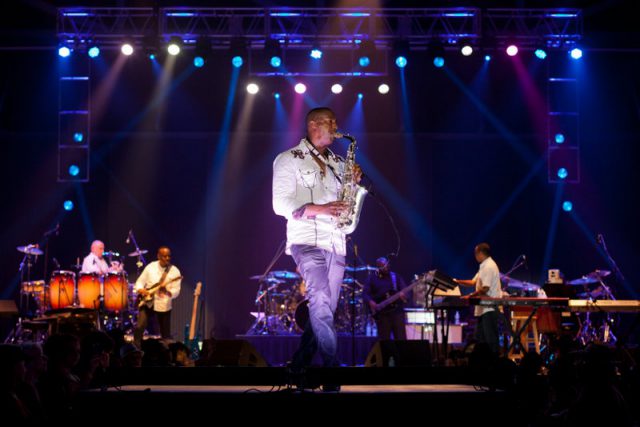
Soft front lighting keeps focus on the soloist while purple and blue side fills add energy without distraction. A clean example of zone-based lighting with mood in mind.
Hip-Hop/Pop Concert Setup
Strong color and movement at play.
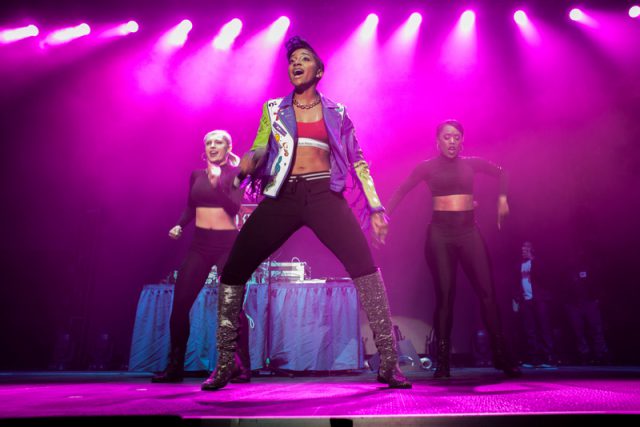
High-saturation pinks and top-down fixtures push the energy forward. A good match for choreography-heavy performances needing motion and bold color choices.
Festival Headliner with LED Screens
Texture, video sync, and haze effects.
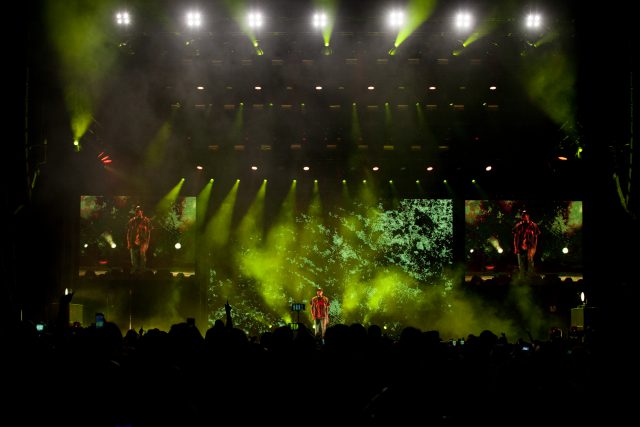
Green washes layered with haze and screen graphics show how lighting design supports atmosphere and storytelling at scale.
Full Festival Rig View
Top-down angles, even coverage.
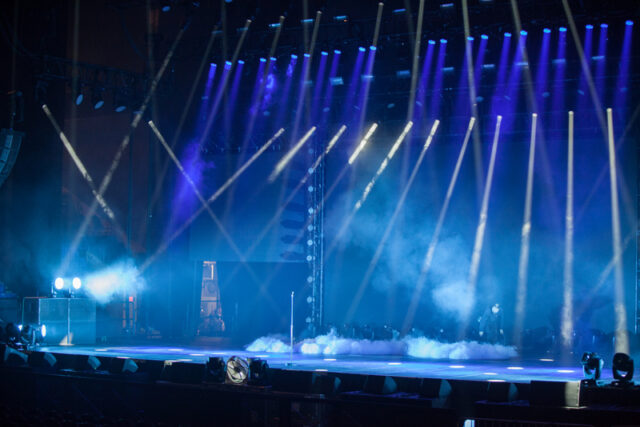
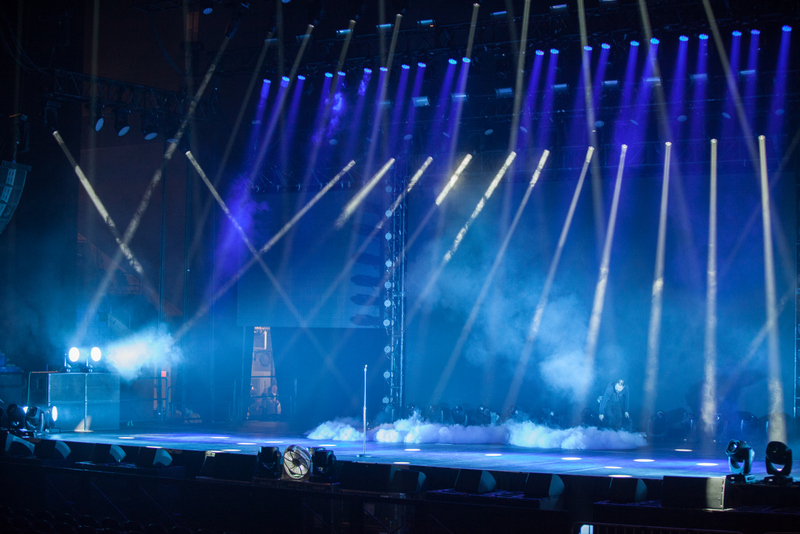
A behind-the-scenes look at zone lighting and controlled haze, ready to shift with artist demands.
Ready to Illuminate Your Next Event?
Great lighting doesn’t just happen. It’s designed, tested, and timed to perfection. With Pro‑Tech, you get more than gear—you get a crew that knows how to make every moment shine.
Let Pro‑Tech design lighting that brings your show to life.