
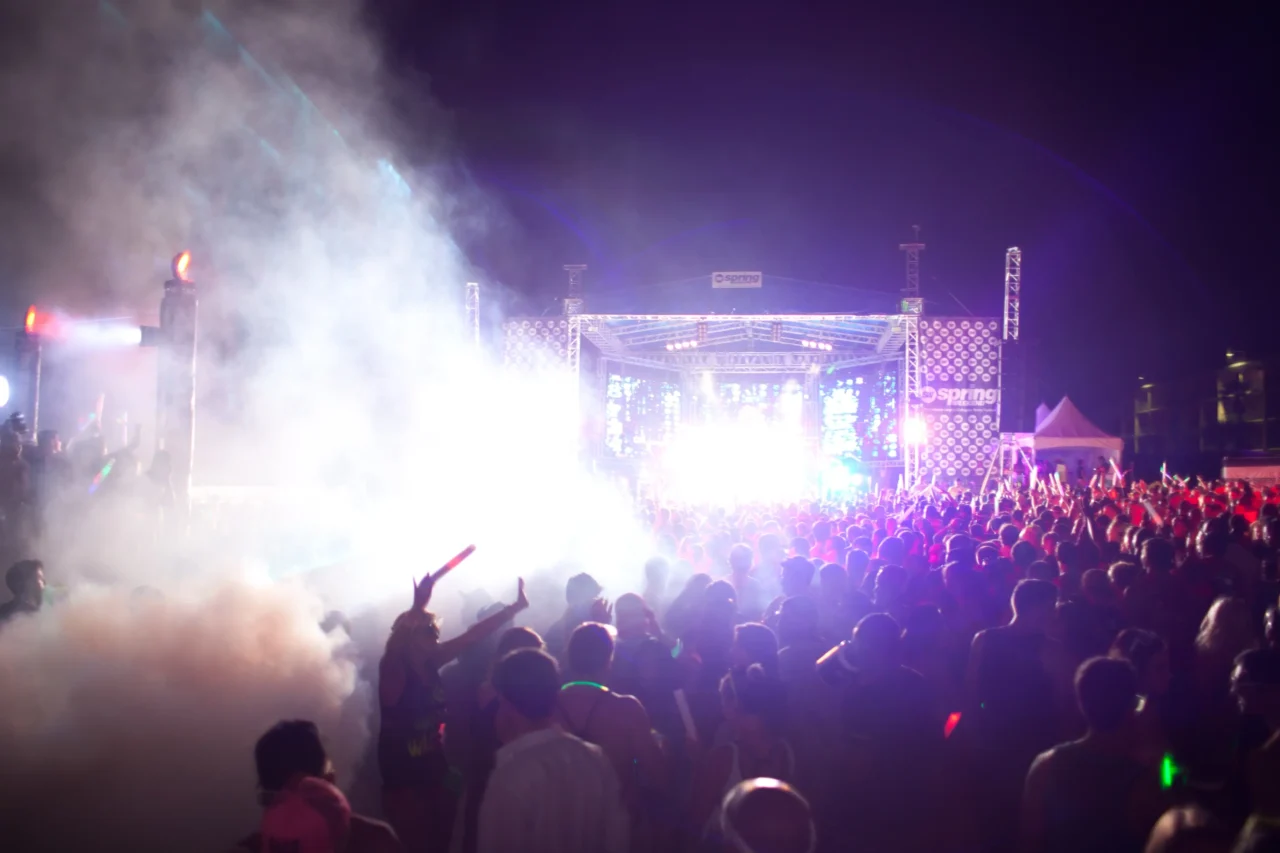
Planning an outdoor event comes with plenty of moving parts, and lighting is one of the details that can make the entire space come alive. The right setup can turn an open field into a concert venue, a backyard into a wedding reception, or a beachfront into something unforgettable. Good lighting guides people, sets the mood, and helps every part of your event look and feel intentional.
Outdoor lighting takes more planning than most people expect. Weather, power access, safety, and the natural light around you all play a part in how the final setup performs. With the right approach and the right equipment, you can create a space that feels warm, safe, and memorable for everyone who walks in.
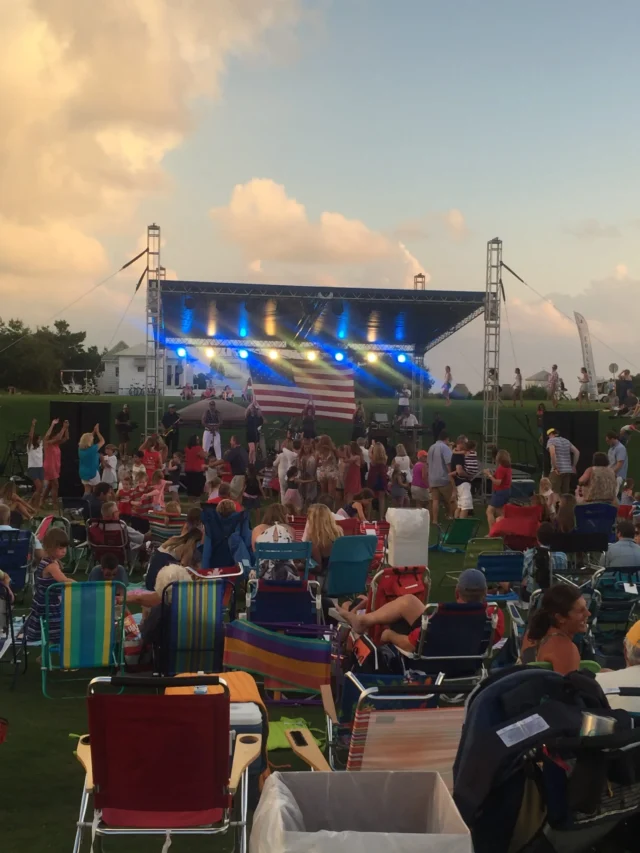
The Challenges of Outdoor Lighting
Lighting an outdoor event takes more than placing a few fixtures around the space. Once you remove the walls and ceiling of a venue, everything becomes a little more unpredictable. Weather, terrain, and daylight shifts all play a role in how well your lighting performs, so planning ahead is essential.
Weather Protection
Outdoor fixtures need to withstand rain, humidity, and coastal environments. Gear that carries an IP65 rating or higher helps protect against dust and moisture. Cables and connectors should be outdoor-rated as well, and every connection needs to be secured and elevated to avoid water pooling.
Power Access
Power can be a challenge outdoors. Long cable runs require thoughtful load balancing, and some events need generators or temporary power distribution. Keeping everything safe and evenly powered ensures lights do not flicker, dim, or fail during the event.
Visibility and Changing Light
Lighting has to work through changing sunlight, especially during sunset or early evening events. Stage lights need enough output to stay visible even as the sky shifts from bright to dark. Planning for color temperature, beam spread, and intensity helps keep performers and key areas clearly lit at all times.
Safety
Outdoor setups introduce hazards that indoor venues often avoid. Moisture, uneven ground, trip hazards, and temporary rigging all need attention. Every cable path, fixture stand, and support structure should be secured and shielded so guests and staff can move through the space safely.
Types of Outdoor Event Lighting
Every outdoor event needs lighting that does more than look good. It should guide people, set the tone, and support the action on stage. Grouping lights by what they do makes it easier to understand what your event might need.
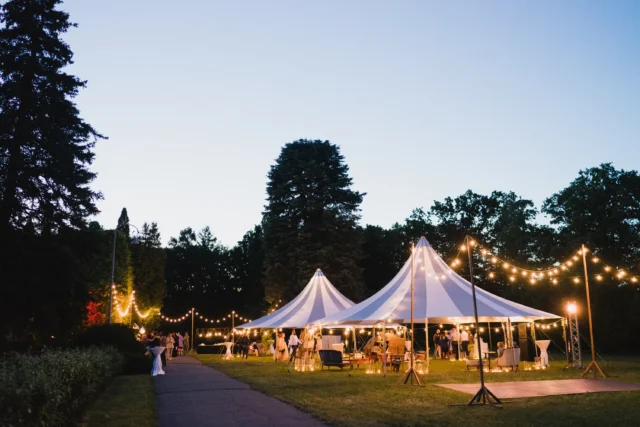
1. Ambient Lighting
Ambient lighting creates warmth and helps guests feel comfortable in the space.
Common options include string lights, festoon bulbs, and soft path lighting. These are perfect for weddings, outdoor dinners, charity events, or any gathering where you want the space to feel inviting rather than theatrical.
2. Functional Lighting
Functional lighting keeps people safe and aware of their surroundings.
This includes floodlights, LED PAR fixtures, and general area lights. These are often used for parking areas, backstage zones, walkways, vendor rows, and perimeter safety lighting. If people need to move through the space confidently, functional lighting is essential.
3. Stage and Performance Lighting
This is the lighting that drives the energy of concerts, festivals, and live shows.
Moving heads, wash lights, follow spots, and truss-mounted rigs help highlight performers and keep the focus on the action. Outdoor stages need brighter, more durable fixtures to cut through haze, sunset light, and weather changes.
4. Accent and Decorative Lighting
Accent lighting brings personality to an event.
Tree uplighting, color washes, gobo projections, and even LED walls can shape the look and feel of the space. Weddings often combine ambient and accent lighting for a warm, elegant look. Festivals use bold colors and projections to create memorable visual moments.
Lighting Ideas for Different Outdoor Events
Different events call for different lighting approaches, and a few smart choices can help you create the atmosphere you want. Below is a quick guide to help you match common event types with lighting setups that work well in outdoor environments.
| Event Type | Lighting Approach | Why It Works |
| Outdoor Weddings | Warm white string lights, soft uplights on trees or tents, gentle wash lighting for the dance floor | Creates an intimate, inviting atmosphere |
| Festivals and Concerts | Truss-mounted moving heads, LED walls, strobes, weatherproof PAR fixtures | Supports fast changes and high-energy performances |
| Corporate and Holiday Events | Clean white lighting, gobo logos, color washes on buildings or tents | Offers a professional look and strong branding moments |
| Community or Sporting Events | Area floodlights, stage wash, pathway and signage lighting | Improves visibility and keeps the space safe for guests |
Use this as a starting point, then adjust based on your location, available power, and the vibe you want your guests to experience.
Pro Tips for Successful Outdoor Lighting
Outdoor events can change fast, but thoughtful preparation keeps you in control. These field-tested tips help prevent the common issues that make a setup feel rushed or improvised.
Plan power with intention
Do more than locate outlets or place a generator. Map your power zones, label every circuit, and keep audio and lighting on separate paths to prevent interference. Use rubber cable ramps to protect long runs across public walkways.
Program your lighting for the entire evening
Instead of guessing when the sun will drop, build cues into your console ahead of time. Create separate looks for golden hour, dusk, and full darkness so your colors and brightness do not suddenly shift mid-event.
Use layered lighting to shape the space
Think in foreground, midground, and background. Light the stage first, then anchor the environment with ambient elements like tree uplights or pathway lights, and finish with decorative accents. This avoids a flat or washed-out look.
Weather-proof your workflow, not just your fixtures
Cover your control positions, elevate power strips, and keep any DMX or control gear under tents or hard covers. Use rain hoods or weather shields for movers, not just PARs, since condensation can cause slow movement or color wheel issues.
Do a full run-through at event time
Testing in the afternoon will not tell you what the lighting looks like once the crowd arrives. Aim to do your final check at dusk, with haze or atmospheric effects running if you are using them. This is when shadows, blind spots, or spill issues become obvious.
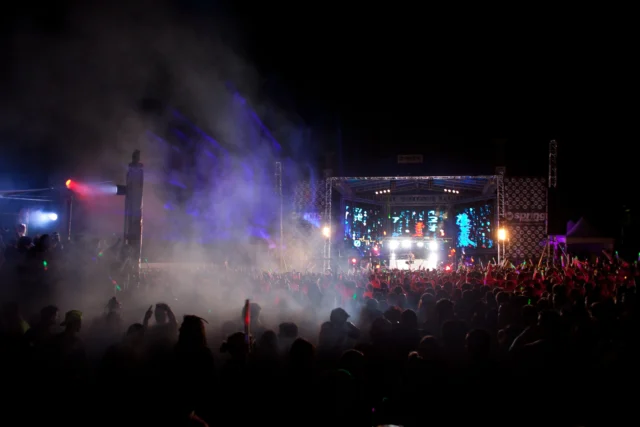
Why Work with a Professional Lighting Team
Outdoor lighting comes with a long list of moving parts, and a professional crew takes every one of them off your plate. They bring equipment built for the elements, program lighting that adapts as daylight changes, and handle power, placement, and testing so everything is safe and consistent from start to finish. The bottom line is simple: fewer surprises, fewer risks, and a smoother event for everyone involved.
Pro-Tech has spent decades lighting festivals, concerts, weddings, and outdoor productions of every size. If you want lighting that performs reliably and lets you stay focused on the event itself, our team would be glad to help.